Rishikesh (Ankit Tiwari): The Department of Pharmacology at the All India Institute of Medical Sciences (AIIMS), Rishikesh, organised a two-day capacity-building programme on “High-Performance Liquid Chromatography (HPLC) for Therapeutic Drug Monitoring (TDM)”, aimed at strengthening advanced analytical and clinical laboratory skills among healthcare professionals.
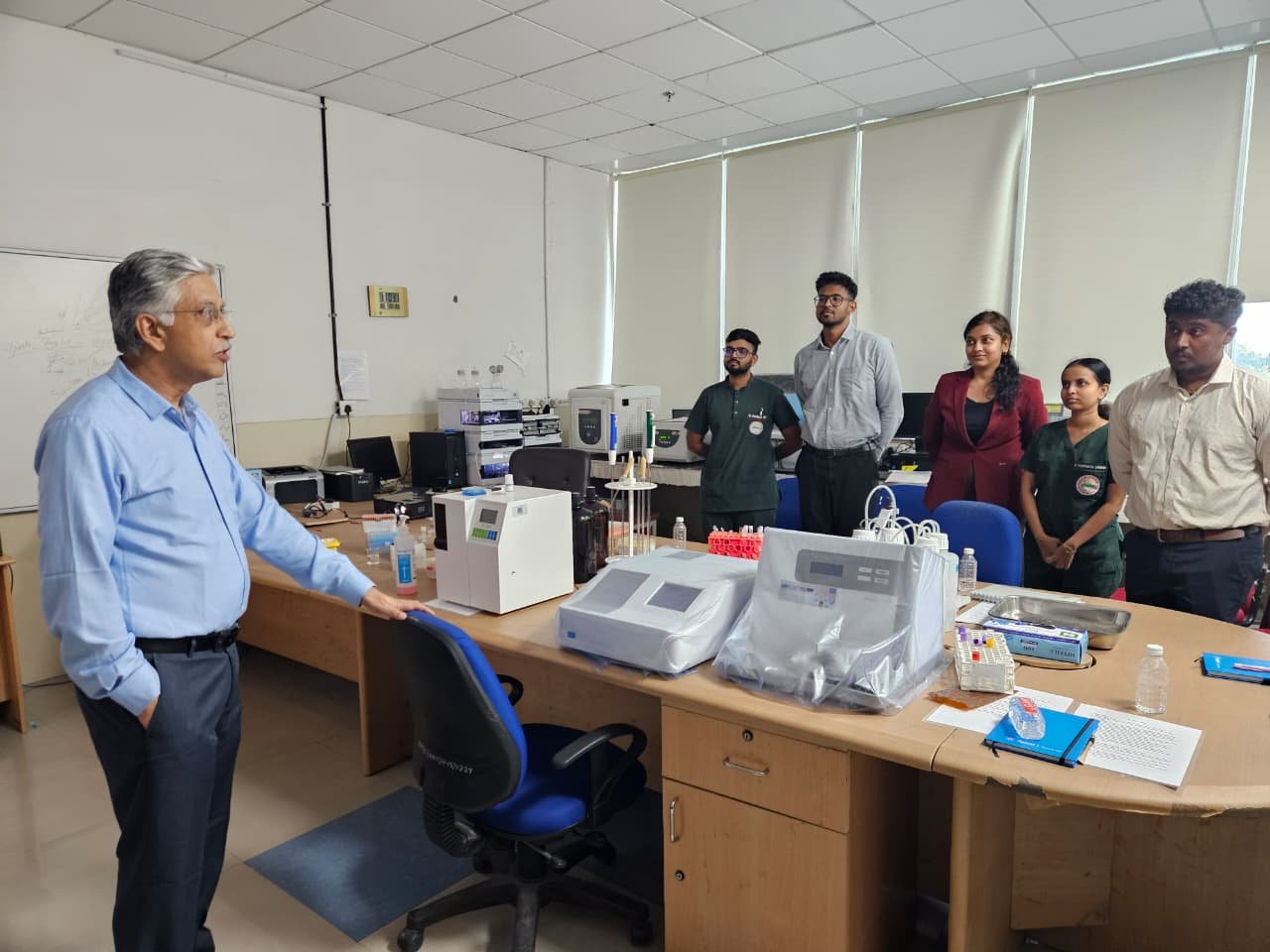
The programme was conducted under the patronage of Prof. (Dr.) Meenu Singh, Executive Director, AIIMS Rishikesh, and the co-patronage of Prof. (Dr.) Saurabh Varshney, Dean (Academics). Prof. Shailendra Shankar Handu, former Dean (Research) and Head of the Department of Pharmacology, chaired the programme.
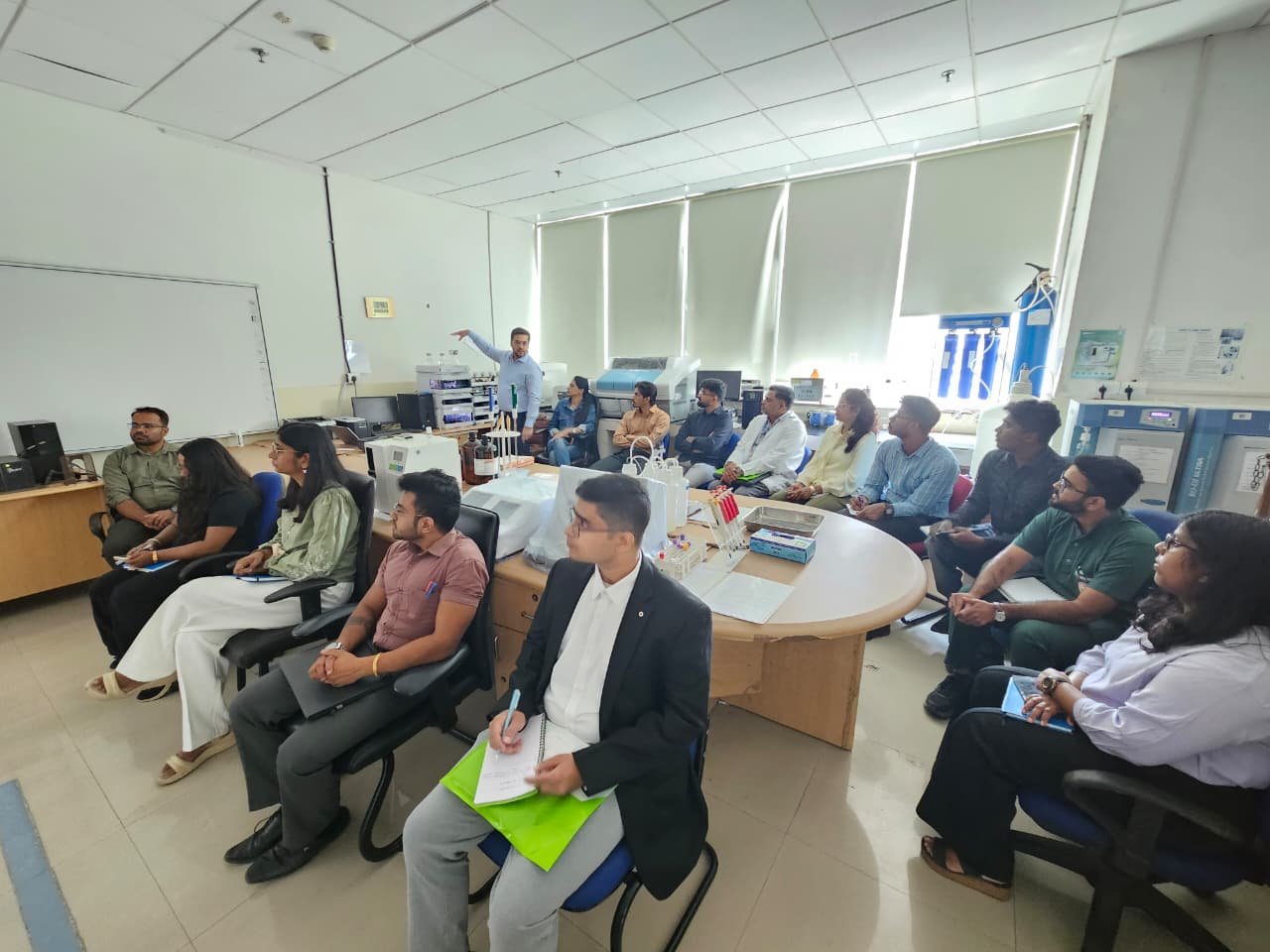
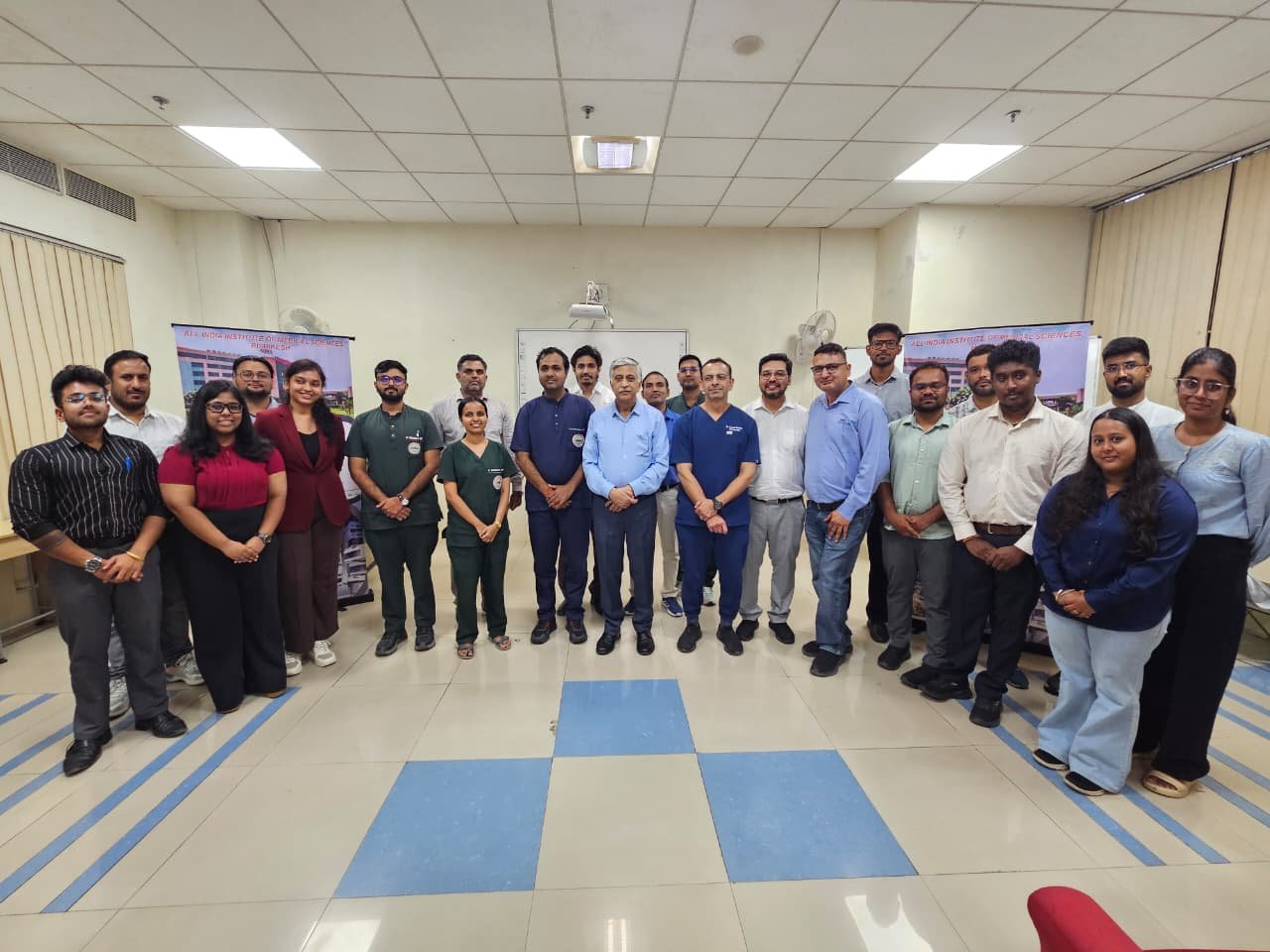
Around 20 participants, including faculty members, scientists, residents and medical graduates, attended the training held at the Department of Pharmacology, Level-4 of the Medical College Building. Participants were selected on a first-come, first-served basis.
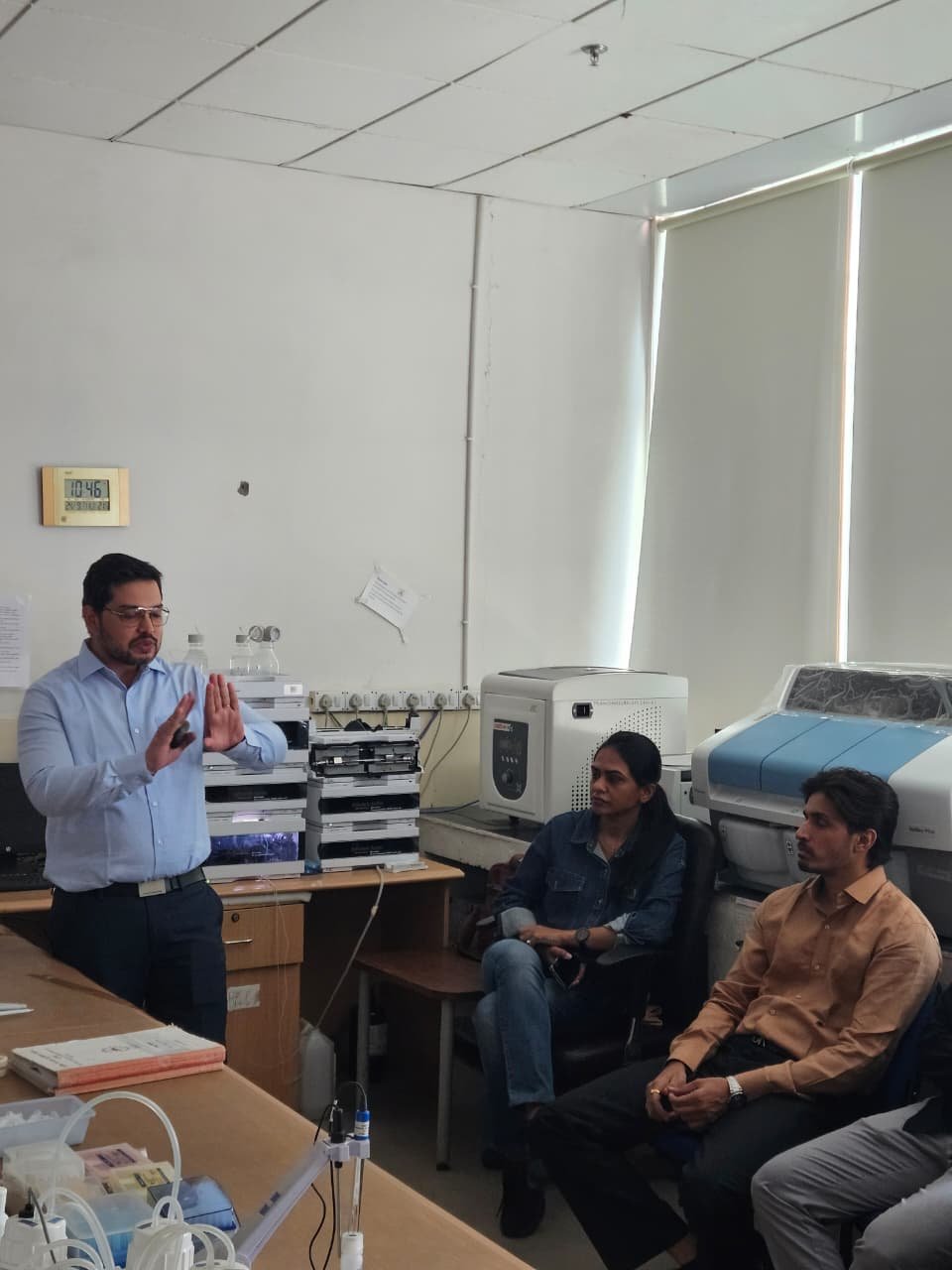
HPLC is a sophisticated analytical technology widely used in pharmaceutical sciences, biomedical research and clinical diagnostics. The training focused on its application in analysing biological samples, identifying biomarkers and monitoring drug concentrations in patients—key components of personalised and precision medicine.
The programme combined classroom-based learning with extensive hands-on laboratory training. On the first day, participants were introduced to the fundamental principles and components of HPLC systems and the application of HPLC in therapeutic drug monitoring. Practical sessions covered software operation, HPLC parameter setting, Chromatography Data System (CDS), mobile-phase preparation and sample processing.
The second day focused on advanced aspects of method development and validation, troubleshooting and equipment maintenance, quality control and quality assurance, and interpretation of chromatograms. Participants subsequently operated the HPLC system themselves and carried out sample analysis under expert supervision.
The training also covered several essential laboratory techniques and instruments, including analytical balances, micropipettes, pH meters, ultrasonic sonicators, vacuum water filtration systems, nitrogen evaporators, and laboratory and refrigerated centrifuges.
Experts emphasised that TDM can help clinicians optimise drug dosages according to individual patient requirements, improving therapeutic outcomes while reducing the risk of adverse drug reactions. Such personalised monitoring is particularly important for medicines where maintaining an appropriate therapeutic concentration is critical.
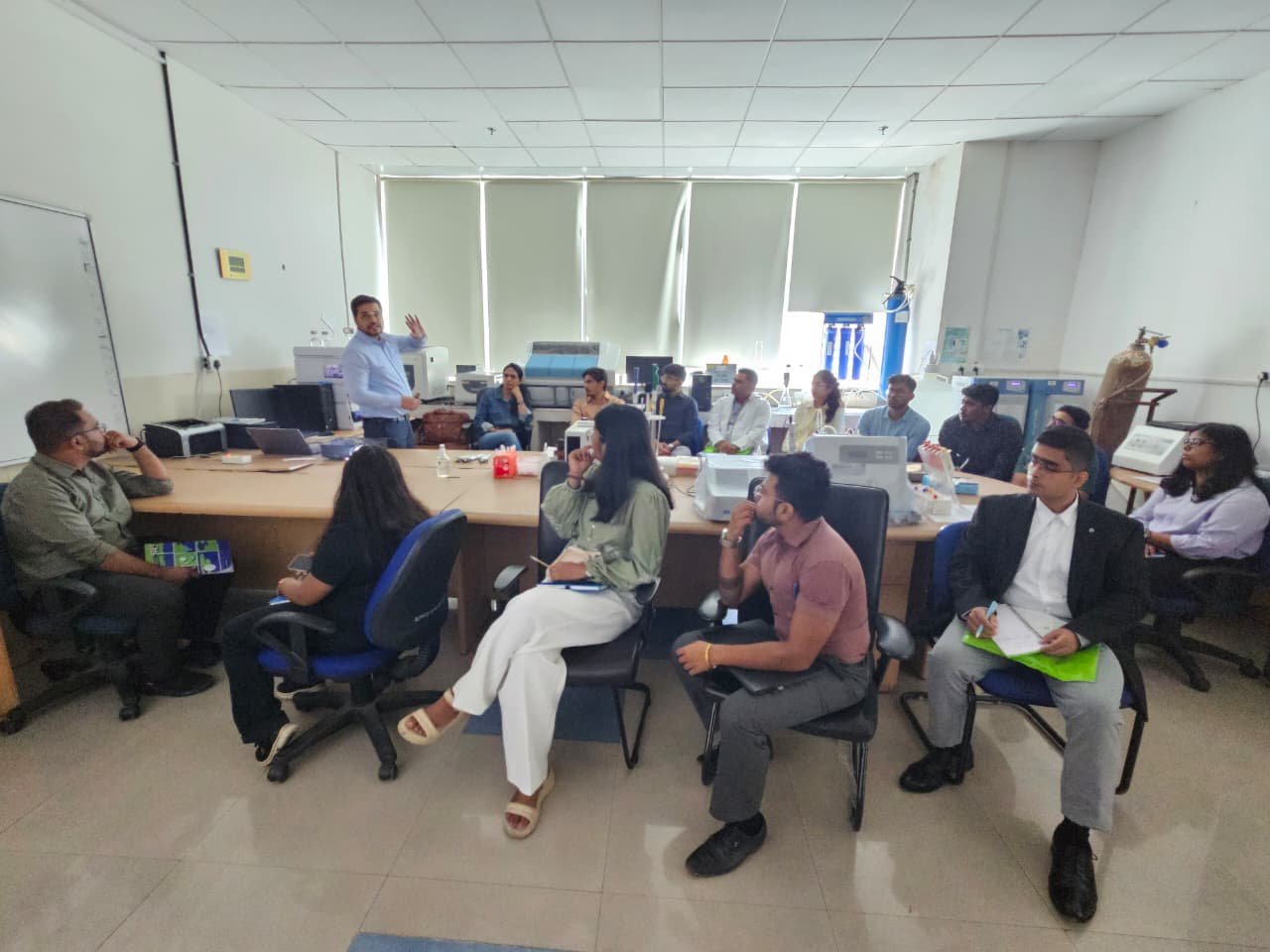
The programme was organised by Prof. (Dr.) Puneet Dhamija, Medical Superintendent, AIIMS Rishikesh, as the Organising Secretary, with Dr. Gyan Vardhan, Senior Resident, serving as Co-Organising Secretary.
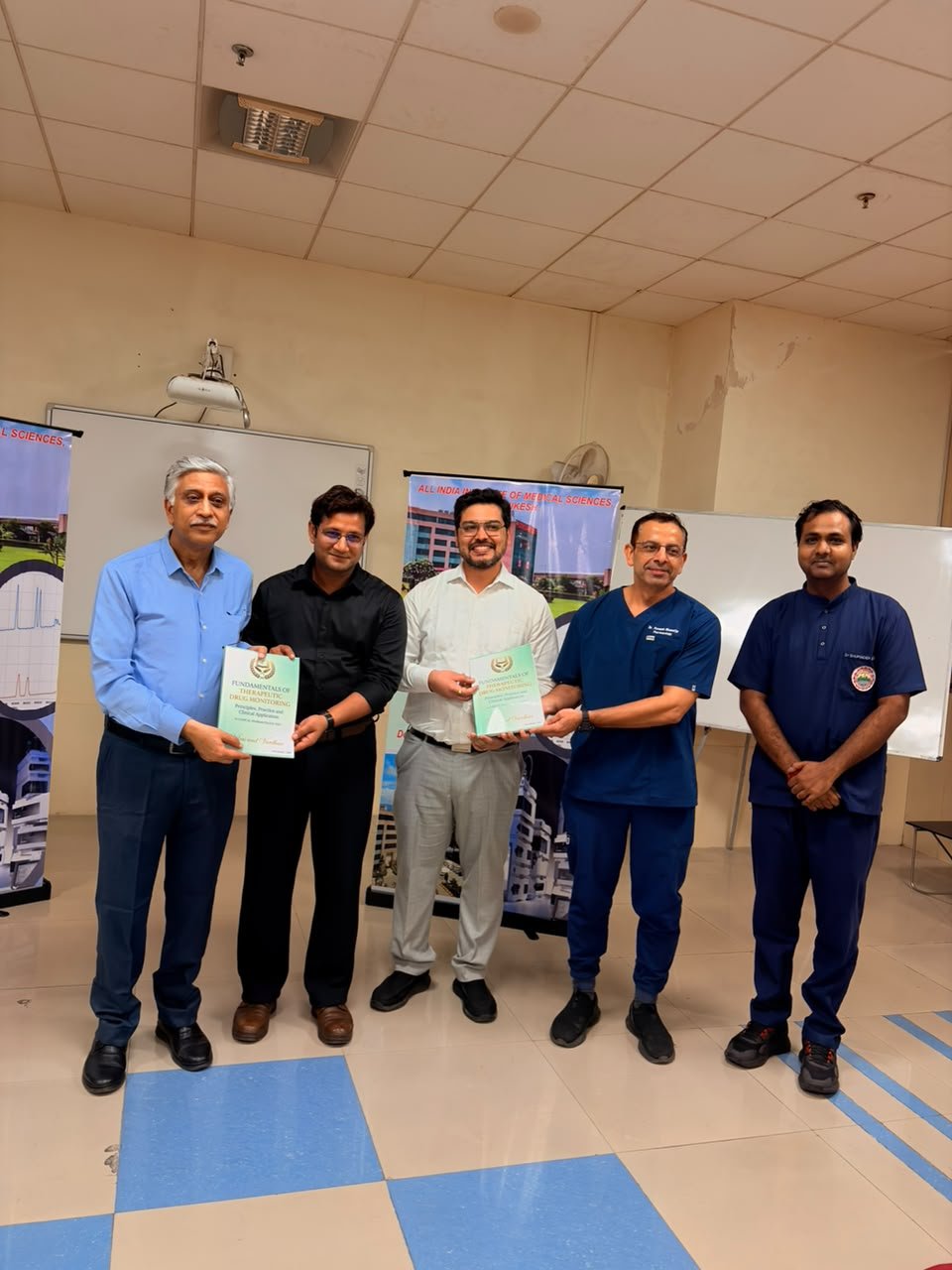
The resource faculty included Dr. Vikas Kumar, Assistant Professor, Department of Pharmacology, AIIMS Bathinda, and Prof. Anand Srinivasan, Department of Pharmacology, AIIMS Bhubaneswar. They guided participants through both theoretical and practical components of the programme.
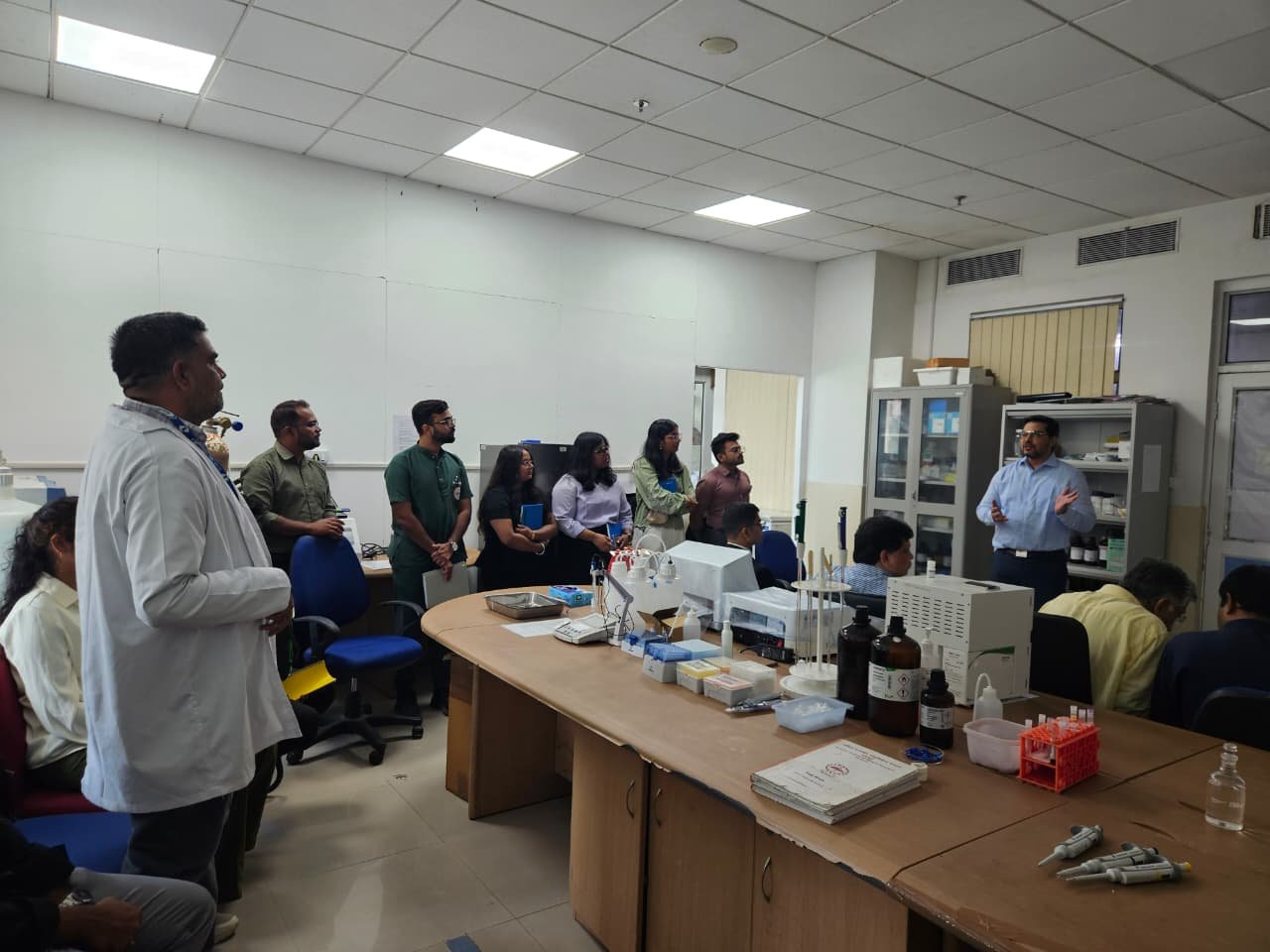
Dr. Bhupendra Solanki, Assistant Professor, Department of Pharmacology, AIIMS Rishikesh, also made a significant contribution to the successful organisation and conduct of the training programme.
The organisers said such capacity-building initiatives are important for developing a skilled workforce capable of supporting advanced clinical laboratories and biomedical research. They further underlined that strengthening diagnostic capabilities and laboratory expertise would contribute to improved patient care and encourage innovation in medical research and therapeutics.